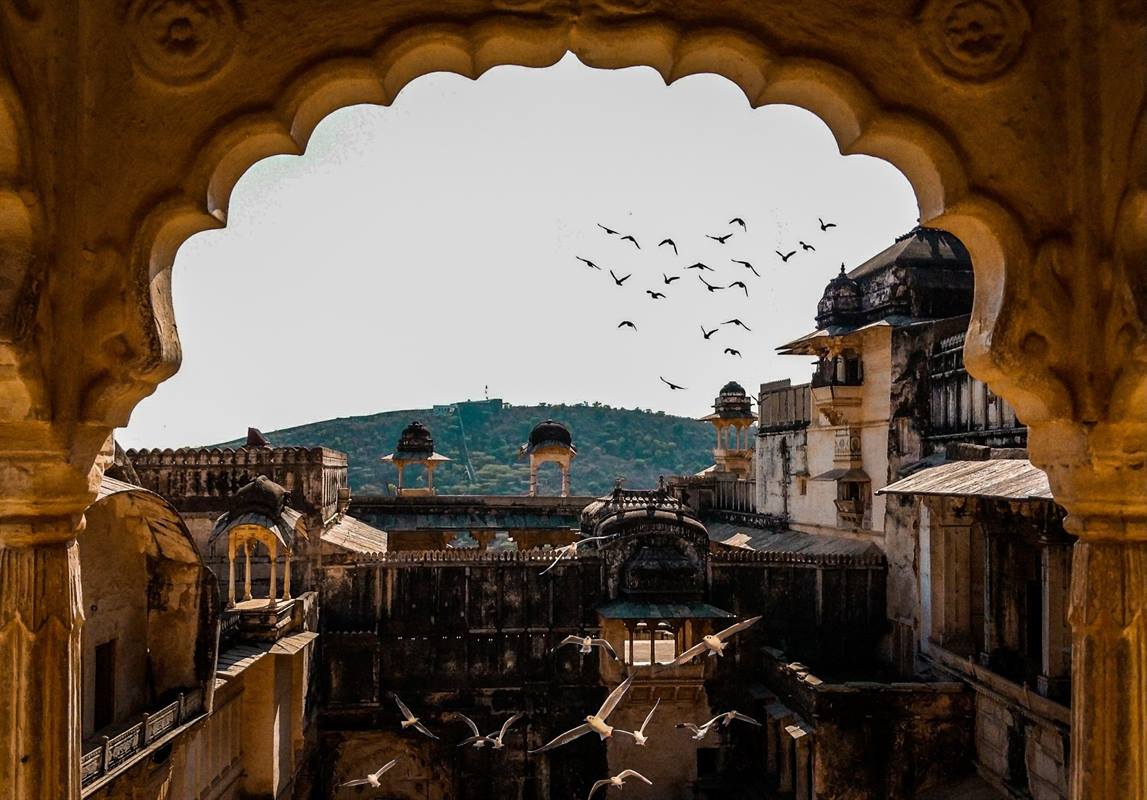
Bundi
The blue town that time forgot — ornate baoris, Taragarh Fort, and some of the finest Rajput murals in India. Quieter and more authentic than Jodhpur.
The blue town that time forgot — ornate baoris, Taragarh Fort, and some of the finest Rajput murals in India. Quieter and more authentic than Jodhpur.
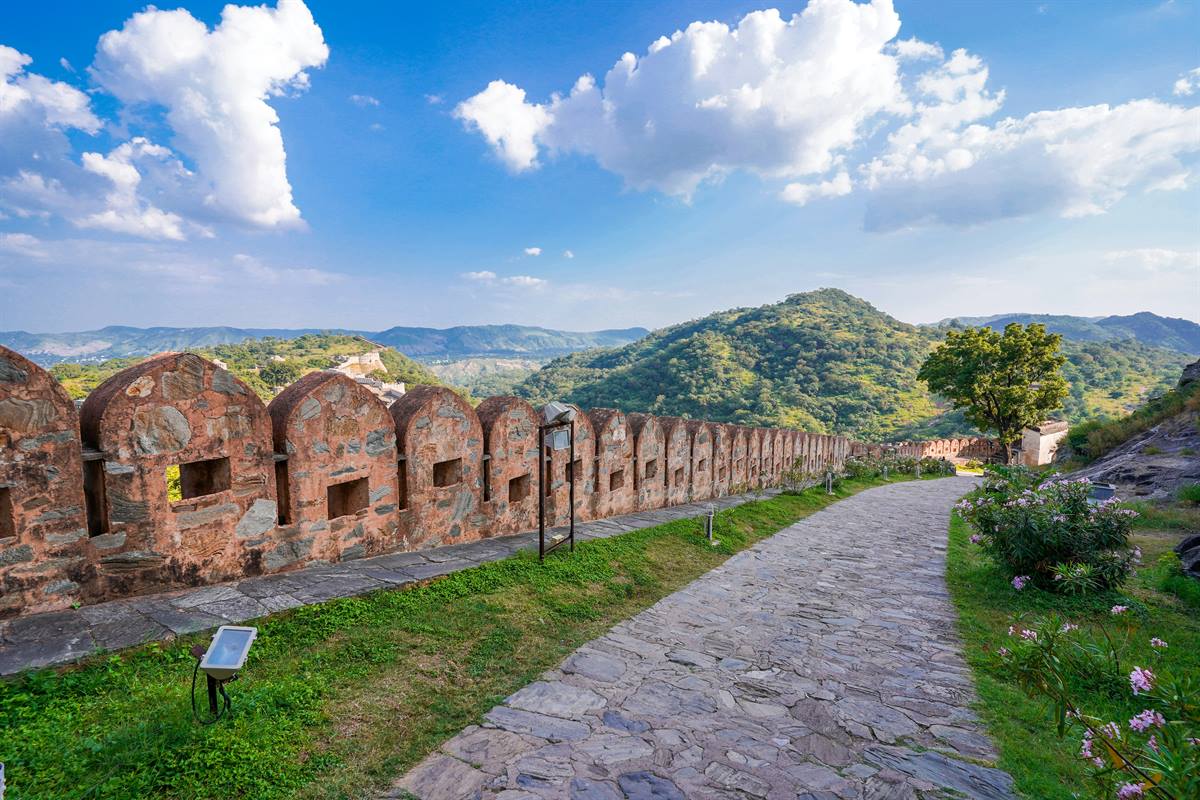
Home to the second-longest wall in the world — a mighty 15th-century fortress across the Aravalli Hills. The surrounding wildlife sanctuary hides wolves and leopards.
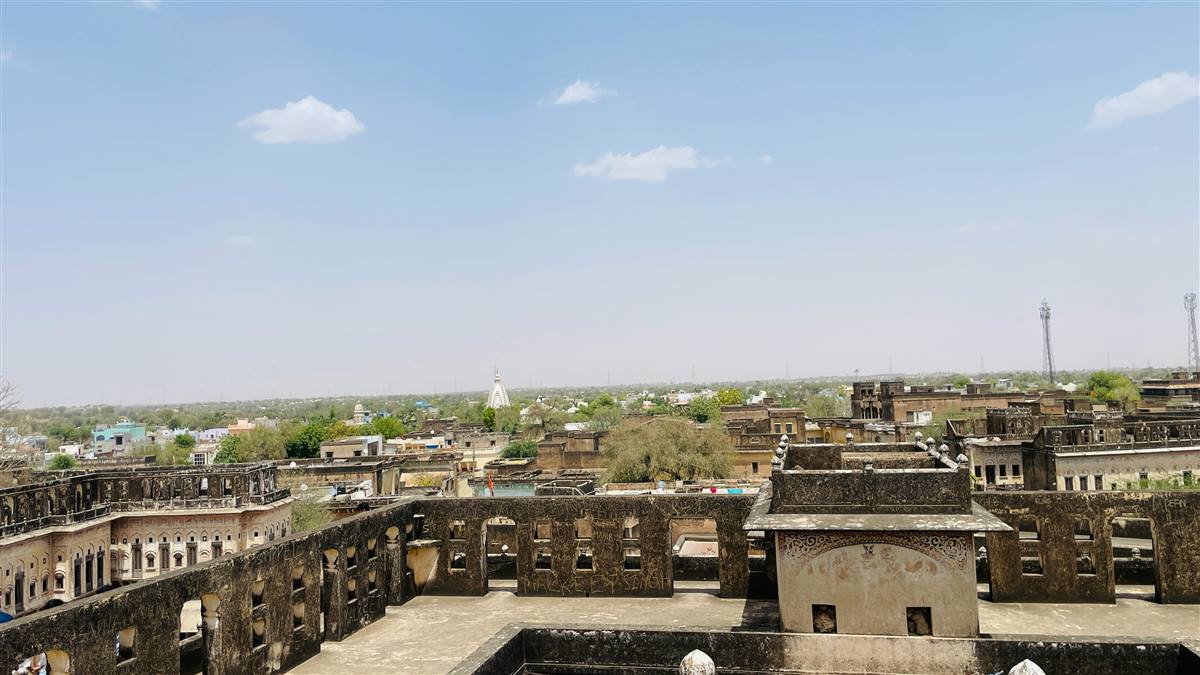
Rajasthan's open-air art gallery — 2,000+ painted havelis across Mandawa, Nawalgarh, and Jhunjhunu. Frescoes of gods, trains, and British soldiers on crumbling merchant mansions.
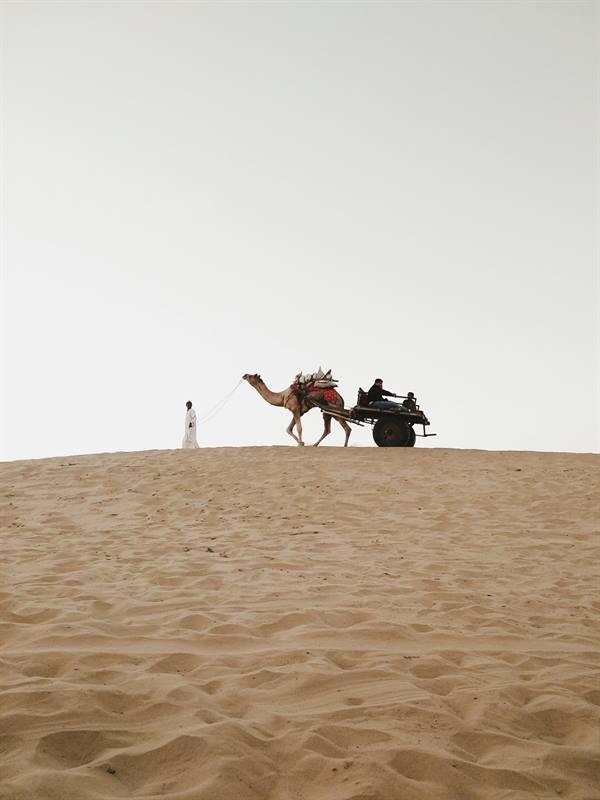
The untamed Thar — mud huts, centuries-old block printing, and the 11th-century Kiradu Temples often compared to Khajuraho. Raw, authentic, and crowd-free.
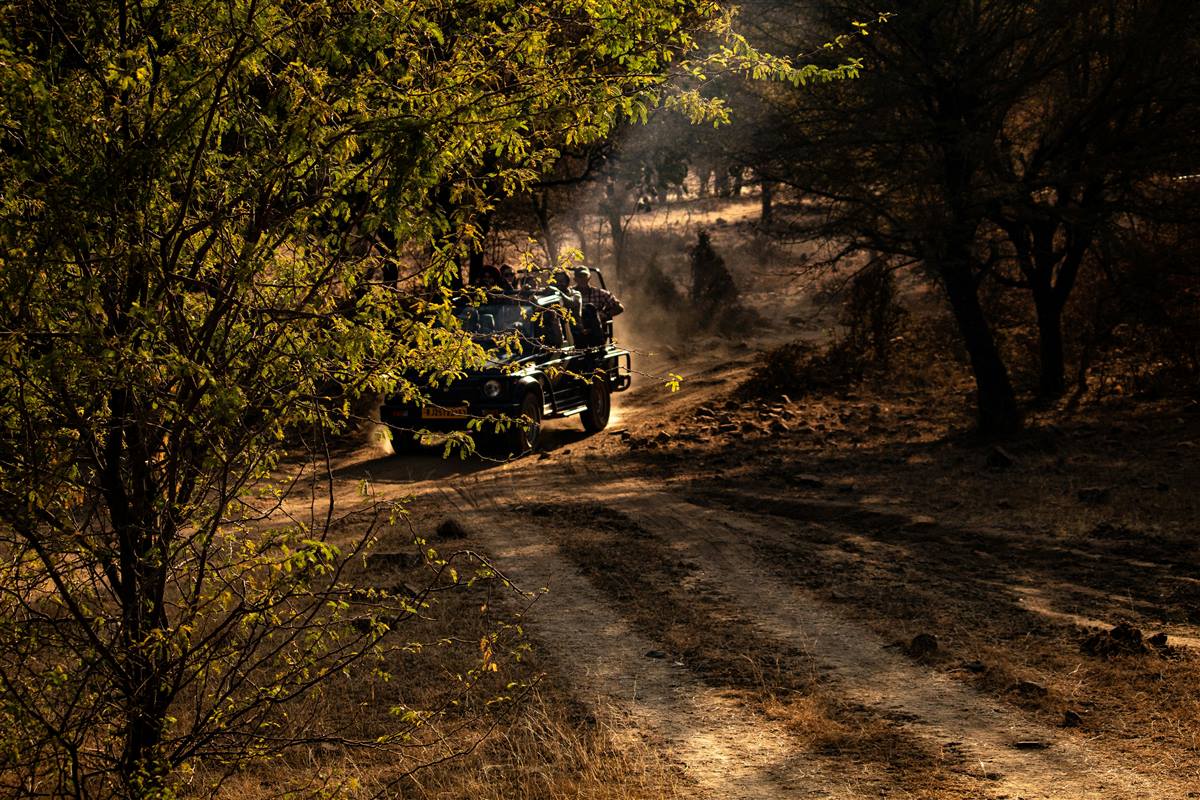
A hidden wildlife gem with a thriving leopard population among dramatic granite boulders. Luxury tented camps rival East Africa — at a fraction of the cost.
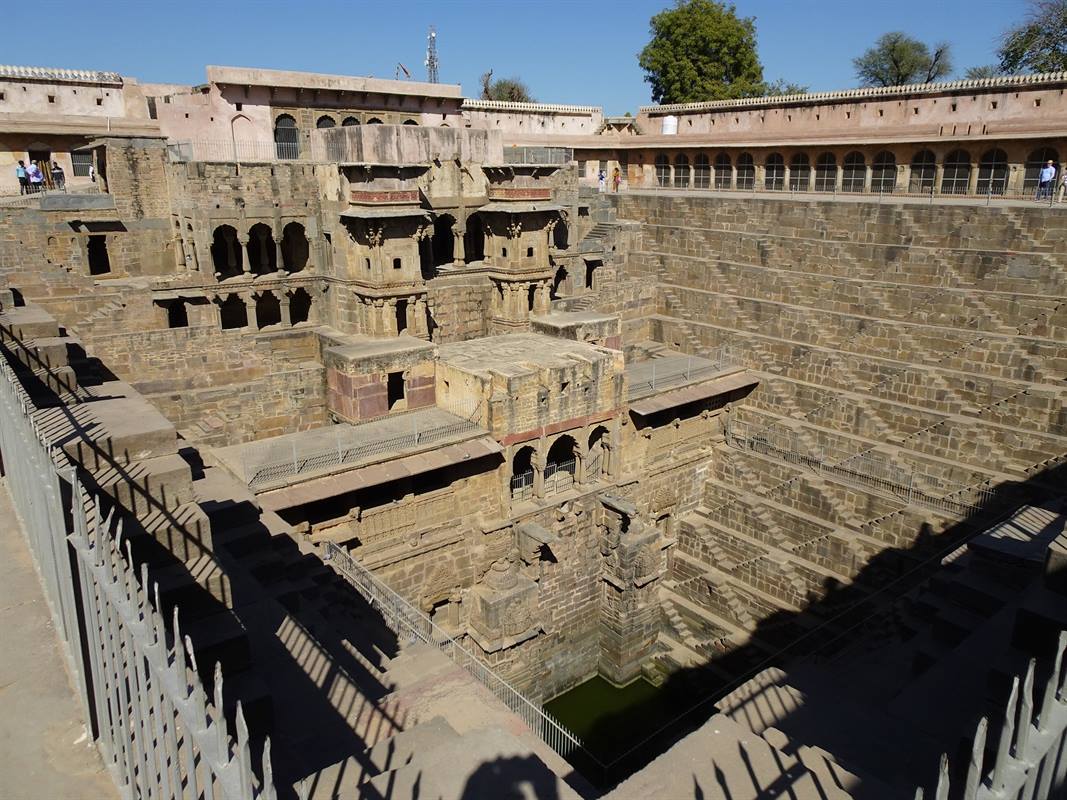
Chand Baori — one of India's deepest stepwells with 3,500 perfectly symmetrical steps descending 13 storeys. A mesmerising feat of ancient water engineering.
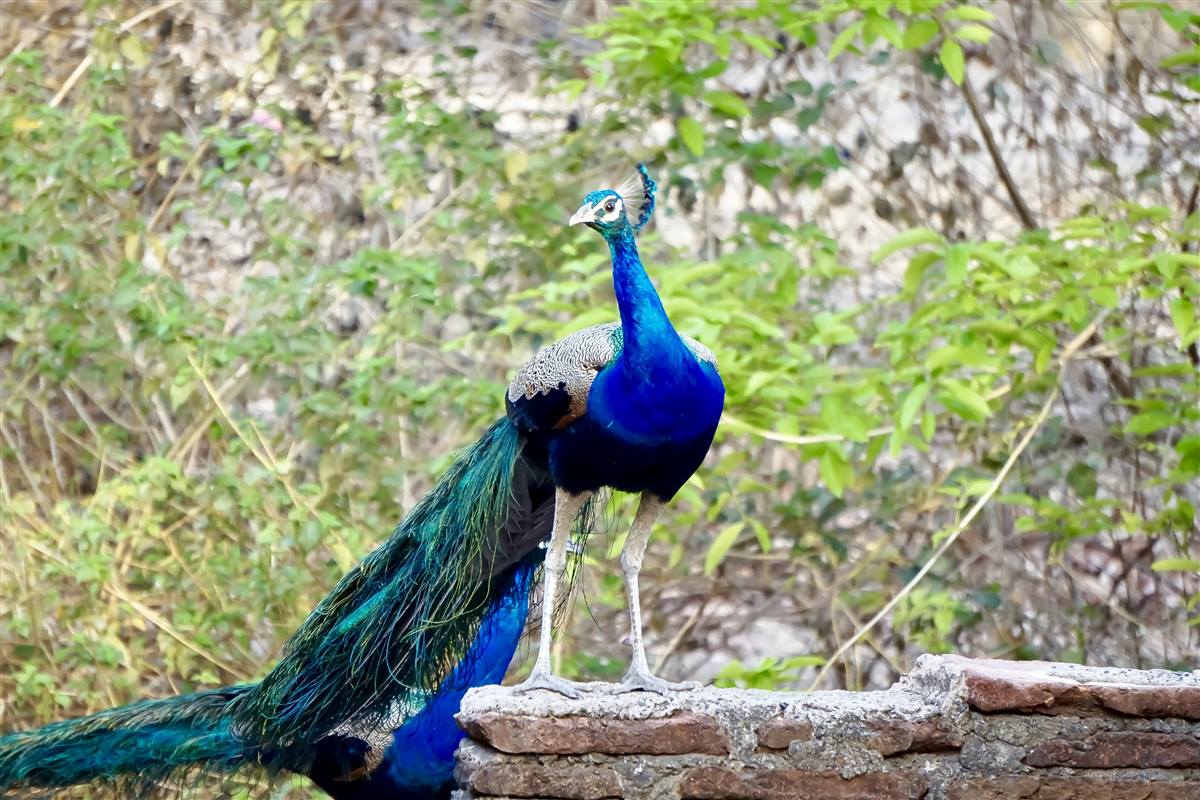
India's original conservationists — blackbucks graze freely, chinkaras roam the scrubland, and the community has fiercely protected every tree for 500 years.
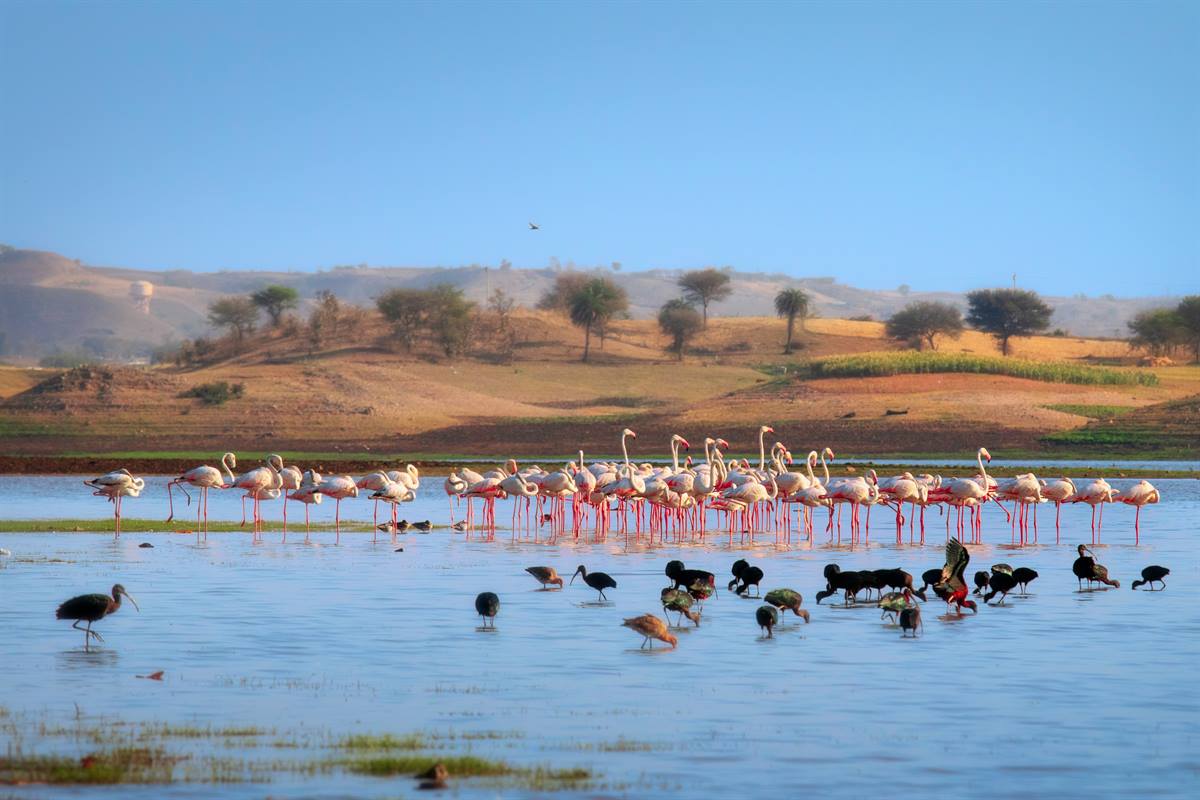
Green marble architecture, the seven-storey Juna Mahal, and Udai Bilas Palace on Gaib Sagar Lake — a true heritage escape without the crowds of Udaipur.
The City of a Hundred Islands — lush, green, and almost tropical during monsoon. Ancient temples, tribal culture, and the massive Baneshwar Fair.
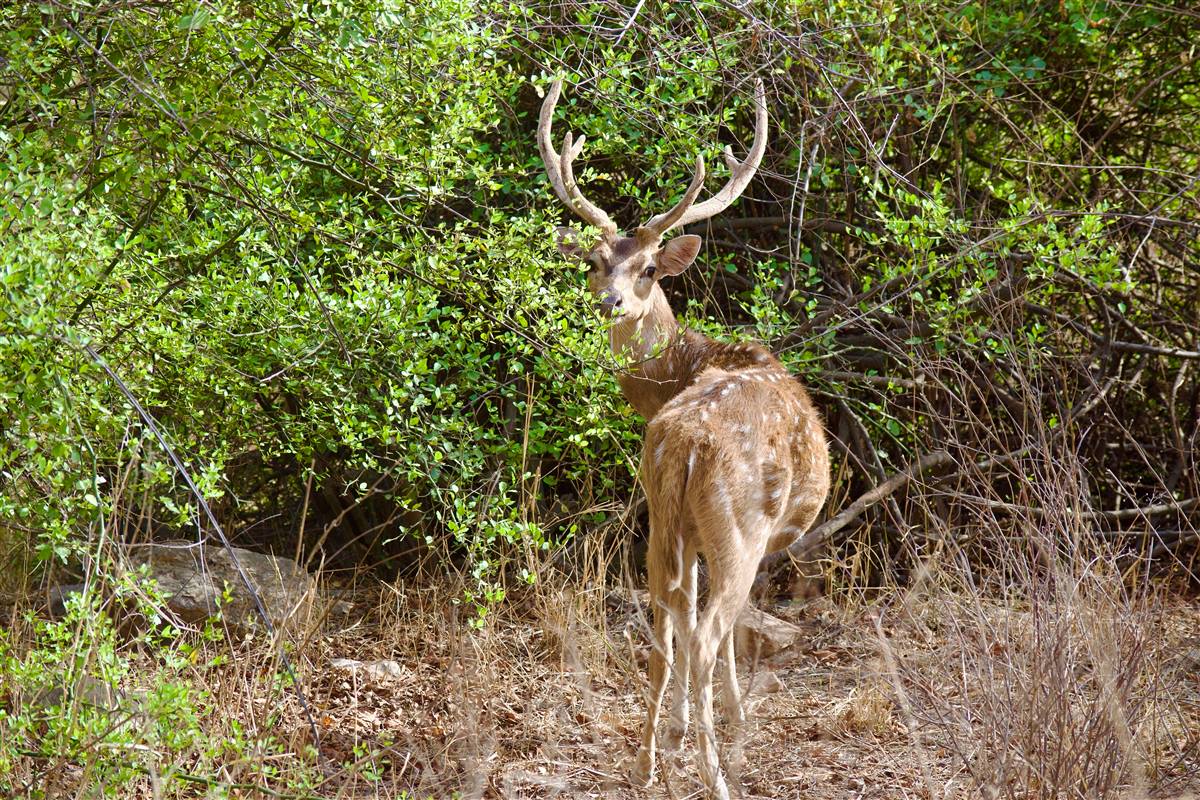
Sariska Tiger Reserve with fewer crowds, ornate palaces, Siliserh Lake Palace, and India's “most haunted” fort at Bhangarh — entry prohibited after sunset.
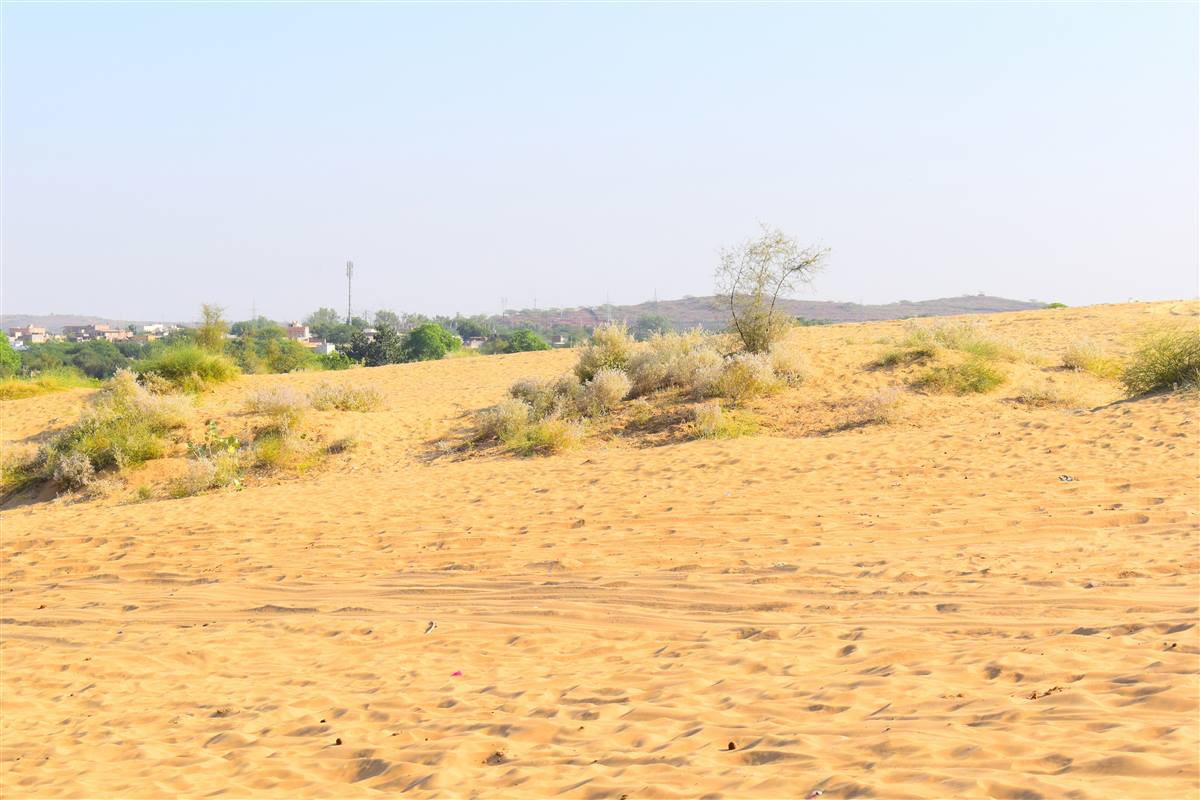
Ancient Silk Road temples meet rolling sand dunes just 65km from Jodhpur — a quieter alternative to Jaisalmer for desert camping and camel safaris.
.jpg)
A blackbuck sanctuary near Churu — vast open grasslands where hundreds of antelope roam freely. Raptors, foxes, and stunning desert-sky sunsets complete the picture.
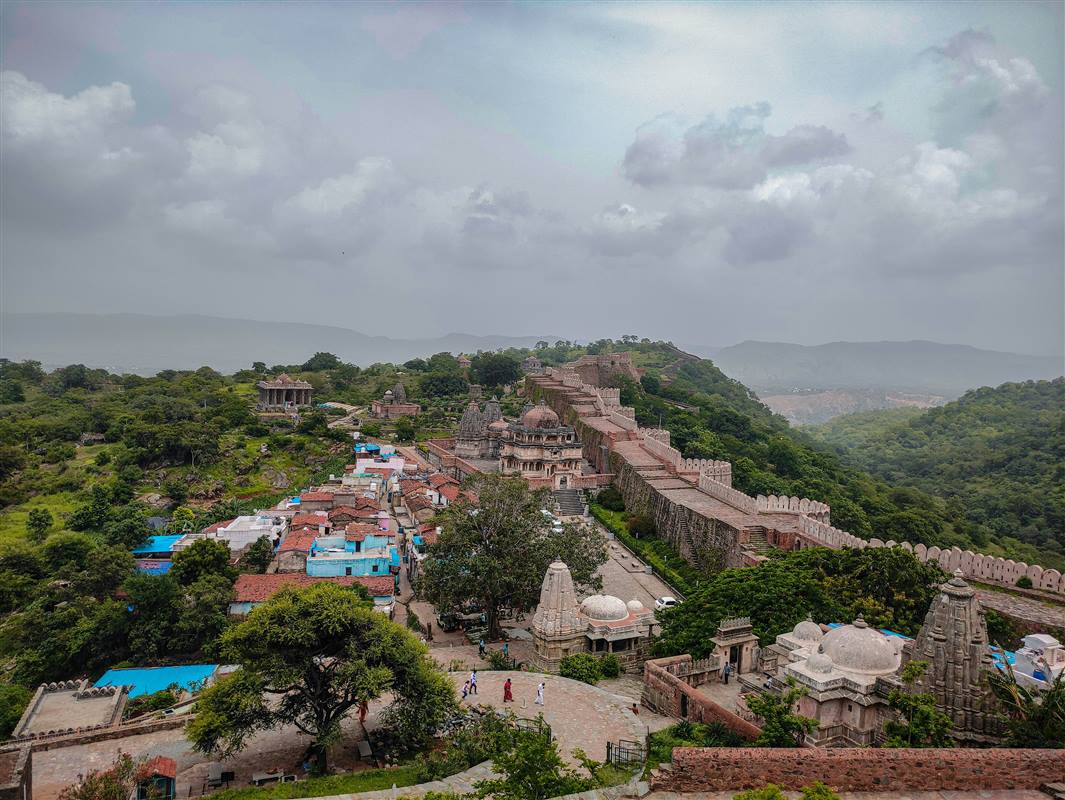
Beyond the famous fort — the serene Ratan Singh Palace by the lake, the secluded Kalika Mata Temple, and narrow bazaar lanes with dal baati churma joints.
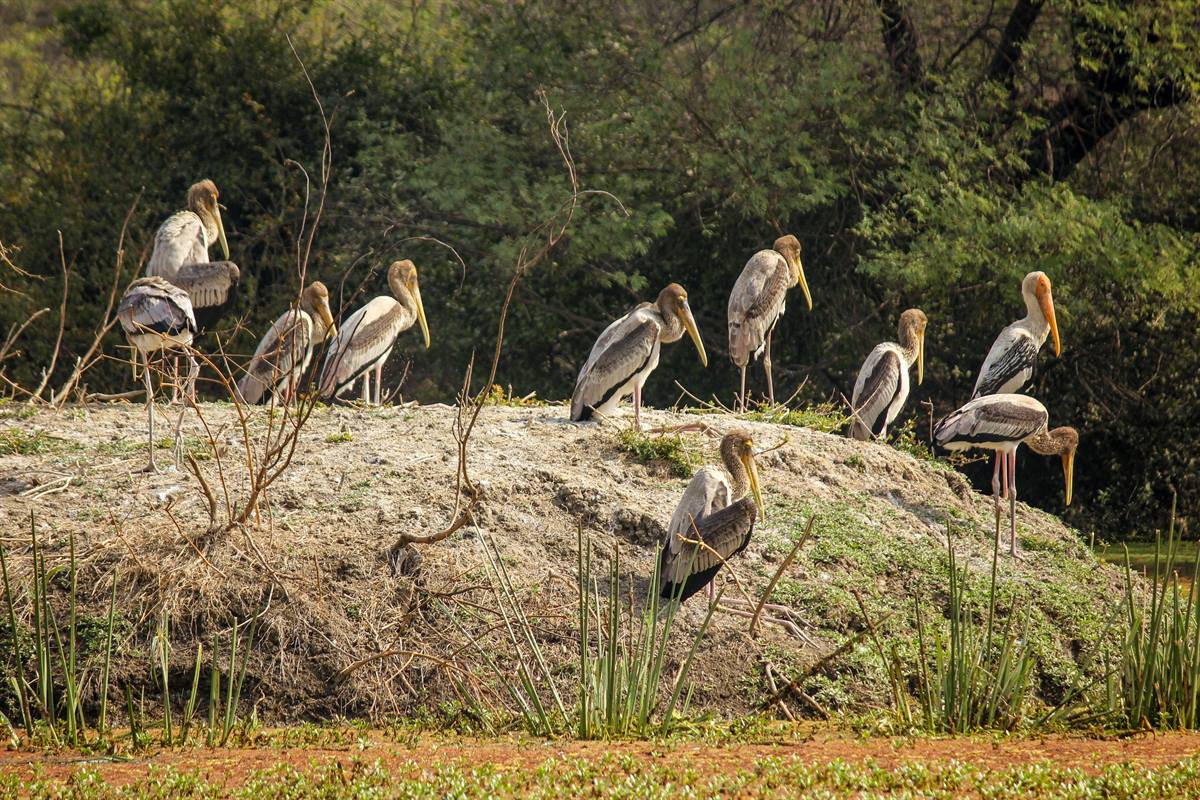
A holy Jain site on the banks of the Gambhir River — peaceful, architecturally impressive, and far from the mainstream tourist circuit.
Where Bengal tigers roam among ancient fort ruins — India's most iconic wildlife reserve. The 10th-century Ranthambore Fort looms over the jungle canopy.
Keoladeo UNESCO bird sanctuary — a paradise for birdwatchers with 350+ species. Gateway to eastern Rajasthan and an easy day trip from Agra.
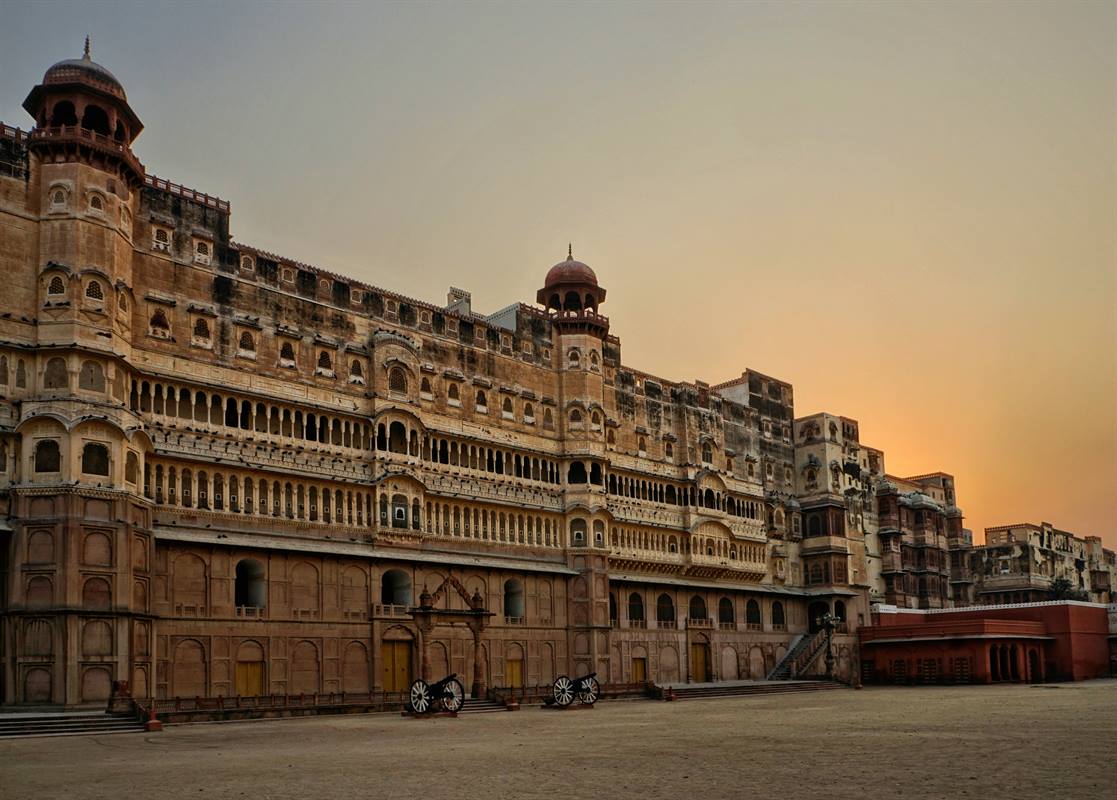
Junagarh Fort, Karni Mata Temple, and golden desert landscapes — Rajasthan's underrated northern gem with incredible street food and camel country heritage.
We specialise in custom offbeat Rajasthan itineraries for international travelers. Tell us where you want to go and we'll plan the perfect trip.
Your donation helps us document hidden gems, support local caretakers, and contribute to small restoration efforts for heritage havelis.
Quick answers to what international travelers search before planning a less-touristy Rajasthan route.
Top picks include Bundi, Shekhawati, Jawai, Abhaneri, Osian, Tal Chhapar, and Banswara. For heritage, start with Shekhawati. For wildlife, include Jawai and Tal Chhapar.
A practical offbeat route needs 6 to 10 days. For shorter trips, choose one region and go deeper instead of trying to cover too much.
In most cases, yes. Book verified stays, use trusted drivers, and follow basic precautions. Read our Rajasthan safety guide before finalizing your route.
October to March is best for weather and comfort. Desert regions can be extreme in summer, so winter and shoulder months are better for exploration.
For offbeat circuits, a car with driver usually saves time and improves flexibility. You can combine this page with our itineraries to build a day-by-day plan.