Rajasthan is famous for Jaipur, Udaipur, Jodhpur, and Jaisalmer — but the state also hides some incredible offbeat destinations perfect for those who want to escape the crowds. If you've already done the Golden Triangle or simply crave something different, these 13 lesser-known treasures will reward you with authenticity, solitude, and stories you won't find in any guidebook.
1. Bundi — The Blue Town That Time Forgot
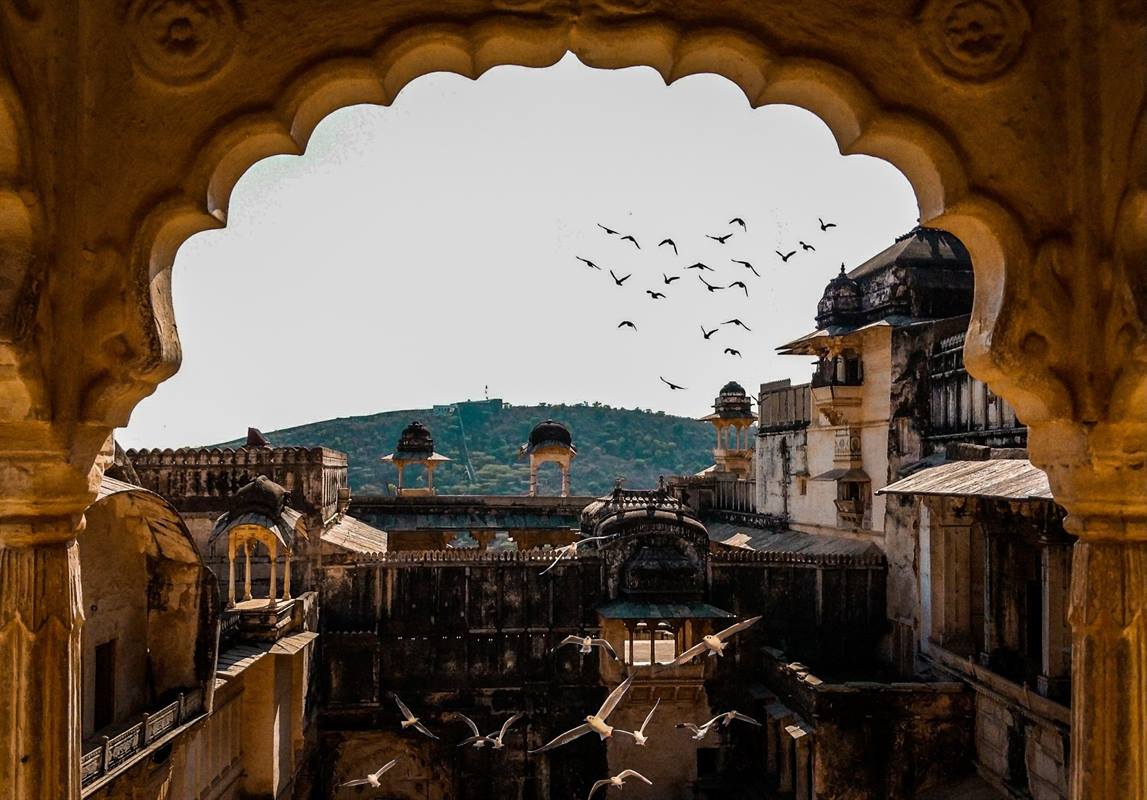
The blue houses of Bundi with Taragarh Fort rising above the old town
Tucked into a narrow valley in the Hadoti region, Bundi is a charming town known for its blue-painted houses, ornate step wells (baoris), and the lesser-visited Taragarh Fort perched on the hill above. Unlike Jodhpur's more famous blue cityscape, Bundi feels genuinely untouched — you can wander its lanes for hours without bumping into another tourist.
Don't miss the beautiful murals at Garh Palace, widely considered some of the finest examples of Rajput painting in all of India. The Raniji ki Baori, a multi-storey step well with carved pillars, is another must-see that rivals anything in Jaipur.
Best for: History buffs, photographers, and travelers who loved Jodhpur but wanted fewer selfie sticks.
2. Kumbhalgarh — The Great Wall of India
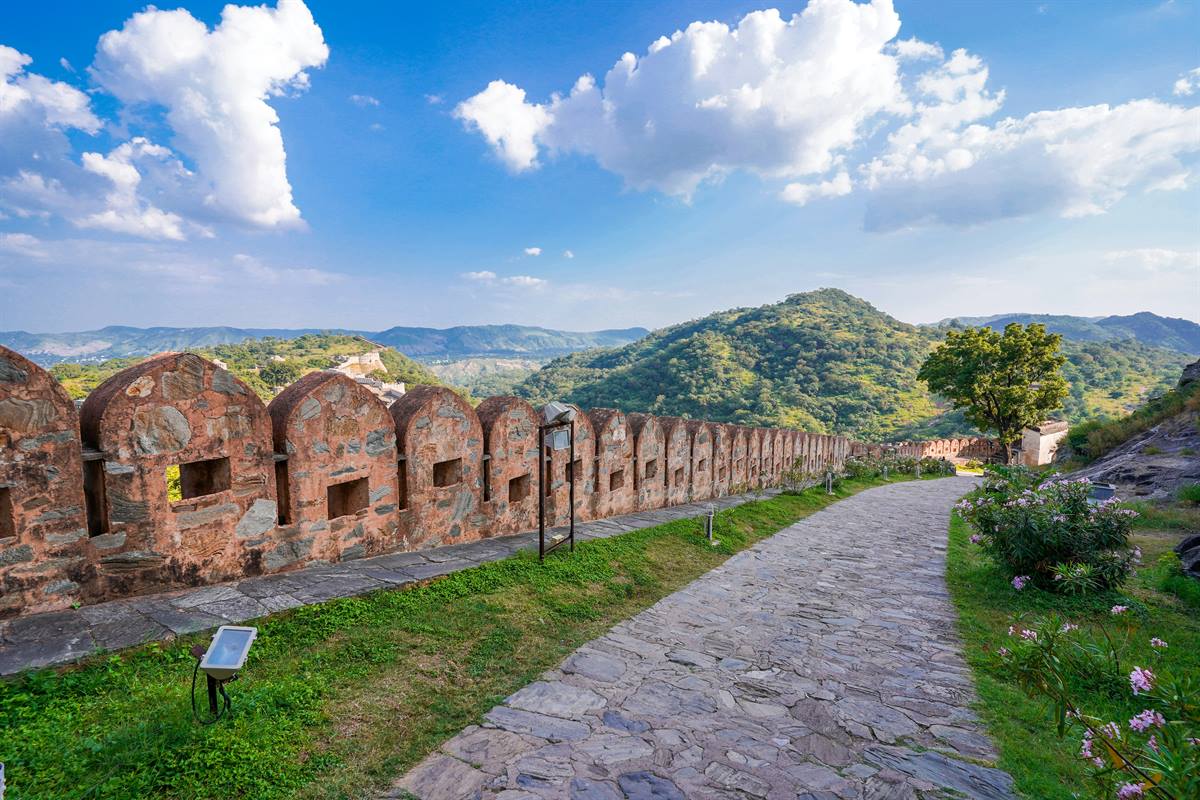
Kumbhalgarh Fort — home to the second-longest wall in the world
Most people have heard of Kumbhalgarh Fort, but surprisingly few actually make the trip. That's a mistake. This 15th-century fortress boasts the second-longest continuous wall in the world after the Great Wall of China — stretching over 36 kilometres across the Aravalli Hills. Walking along sections of the wall at sunset, with the hills rolling out below you, is one of Rajasthan's most underrated experiences.
The surrounding Kumbhalgarh Wildlife Sanctuary is ideal for adventure lovers, with trekking trails through dry deciduous forests where you might spot wolves, leopards, and sloth bears. It's also the birthplace of the legendary Maharana Pratap.
Best for: Fort enthusiasts, trekkers, and anyone who wants a dramatic landscape without the Jaisalmer crowds.
3. Barmer — The Untamed Desert
Relatively untouched by tourism, Barmer offers stunning desert landscapes, unique mud huts, and vibrant craftsmanship that feels worlds away from the polished tourist experiences elsewhere in Rajasthan. This is the raw, authentic Thar Desert — where artisans still practise centuries-old block printing, embroidery, and woodcarving traditions.
The Kiradu Temples, dating back to the 11th and 12th centuries, are archaeological marvels often compared to Khajuraho for their intricate stone carvings. Local legend says a curse was placed on the temples, which is why the surrounding village was abandoned — adding an eerie atmosphere to an already extraordinary site.
Best for: Craft lovers, desert purists, and travelers who want the real Thar without the camel-ride package tours.
4. Shekhawati Region — The Open-Air Art Gallery
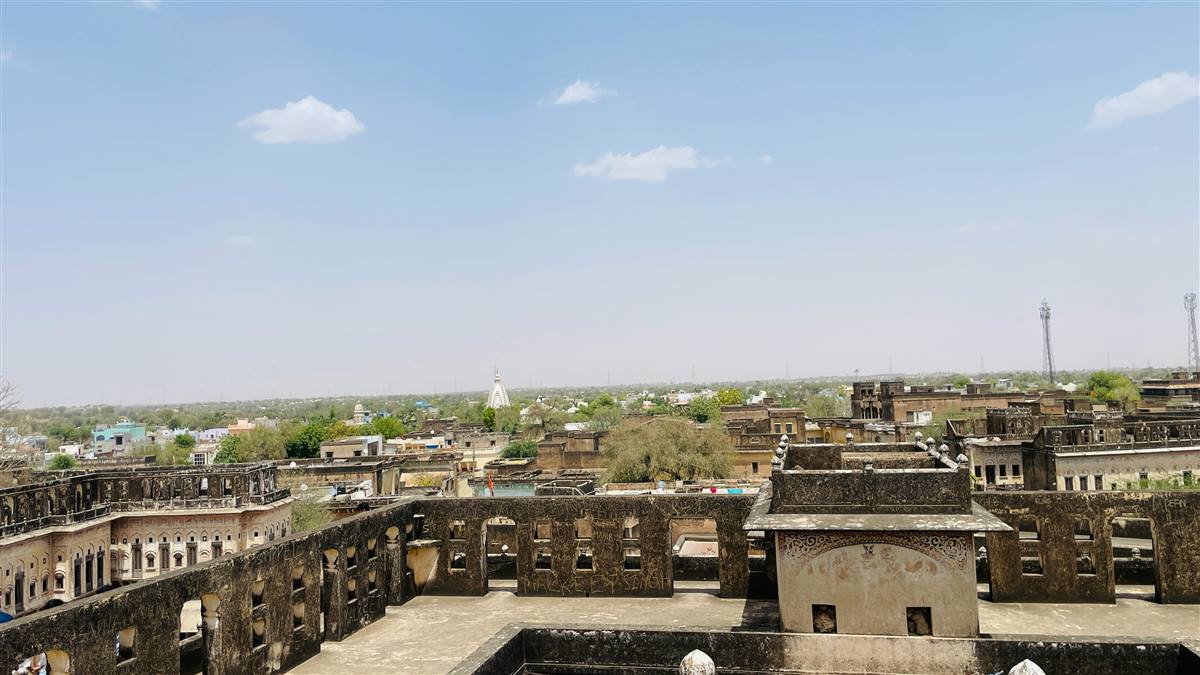
A painted haveli in Mandawa — one of thousands across the Shekhawati region
Known as the “open art gallery” of Rajasthan, the Shekhawati region in the northeast of the state contains over 2,000 painted havelis built by wealthy Marwari merchants between the 18th and early 20th centuries. Towns like Mandawa, Jhunjhunu, and Nawalgarh are famous for grand mansions covered floor-to-roofline with intricate frescoes depicting gods, trains, telephones, British soldiers, and everything in between.
UNESCO has called it the world's largest open-air art gallery, yet it sees a fraction of the visitors that Jaipur does. The catch? These frescoes are fading with every monsoon season, so visit before they're gone. Read our full Shekhawati guide here.
Best for: Art lovers, photographers, and heritage architecture fans.
5. Bishnoi Villages (near Jodhpur) — India's Original Conservationists
The Bishnoi community has been practising environmental conservation for over 500 years — long before it became trendy. A visit to the Bishnoi villages near Jodhpur offers a window into their wildlife-friendly way of life: blackbucks graze freely among homes, chinkaras (Indian gazelles) roam the scrubland, and the community fiercely protects every tree and animal.
Eco-conscious rural tourism here includes visiting traditional homes, watching potters and weavers at work, and learning about handicrafts passed down through generations. It's one of the most authentic cultural experiences in all of Rajasthan.
Best for: Wildlife lovers, responsible travelers, and anyone interested in indigenous conservation practices.
6. Dungarpur — The Heritage Escape Without the Crowds
Nestled beside the beautiful Gaib Sagar Lake in southern Rajasthan, Dungarpur is a gem that even many Indians haven't heard of. The town is known for its distinctive green marble architecture, the magnificent Juna Mahal (a seven-storey medieval palace with original glass and mirror work), and the stunning Udai Bilas Palace on the lake's edge.
Dungarpur also sits at the crossroads of Rajasthani and Gujarati cultures, giving it a unique flavour in cuisine, textiles, and festivals. The Bhil tribal communities nearby offer further cultural depth.
Best for: Heritage hotel enthusiasts, palace lovers, and travelers seeking Udaipur's beauty minus the tourist infrastructure.
7. Banswara — The City of a Hundred Islands
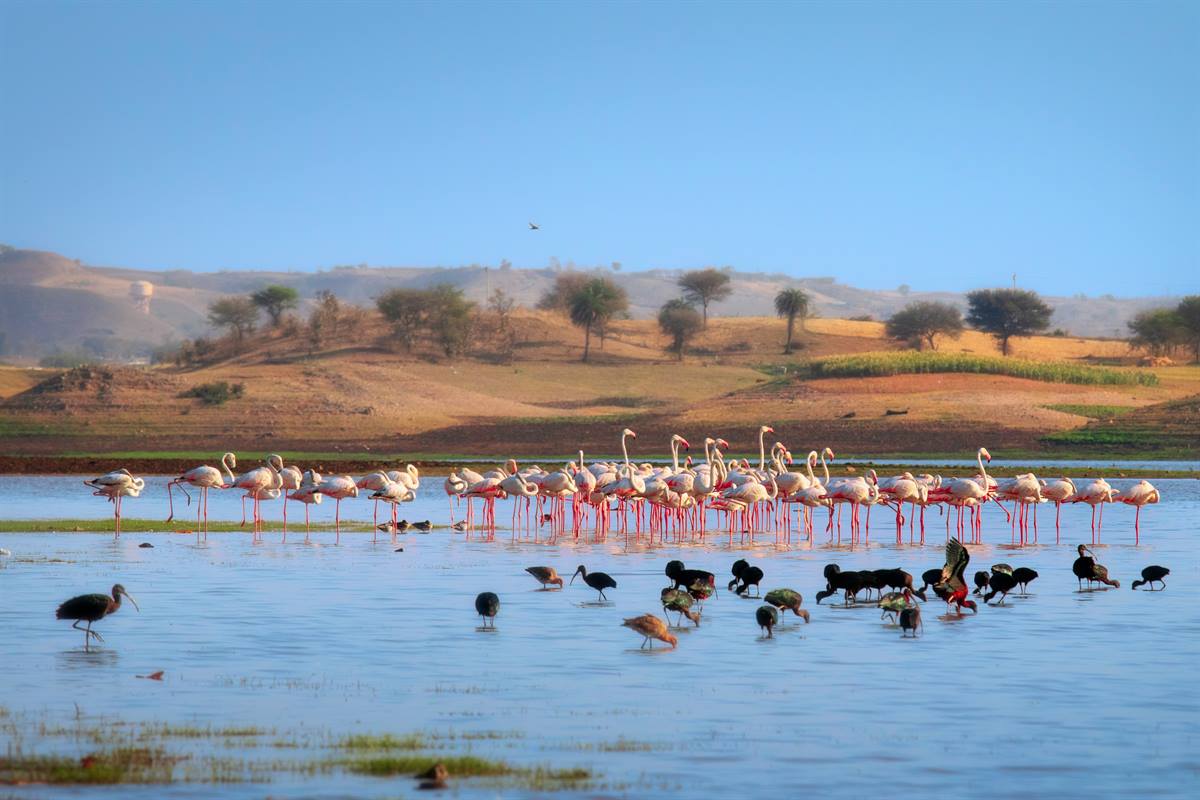
Banswara — Rajasthan's lush, green southern frontier
Known as the “City of a Hundred Islands” due to the islands dotting the Mahi River and Mahi Dam reservoir, Banswara is Rajasthan at its most unexpected — lush, green, and almost tropical during the monsoon. This is the southernmost district of the state, where the arid desert gives way to forested hills and flowing rivers.
Ancient temples, tribal culture, and the annual Baneshwar Fair (one of India's largest tribal gatherings) make Banswara a fascinating offbeat stop. If you're visiting between January and February, the fair alone is worth the detour.
Best for: Monsoon travelers, tribal culture enthusiasts, and nature lovers who think Rajasthan is only desert.
8. Jawai — Leopards Among the Boulders
A hidden wildlife gem between Jodhpur and Udaipur, Jawai has quietly become one of India's most exciting safari destinations. The area is famous for its thriving leopard population — these big cats have coexisted peacefully with the local Rabari shepherding community for generations, making sightings remarkably common.
The landscape itself is dramatic: massive granite boulders scattered across thorn-scrub terrain, flamingo-filled lakes, and ancient Rabari settlements. Several luxury tented camps have sprung up here, offering high-end safari experiences that rival East Africa — at a fraction of the cost.
Best for: Wildlife photographers, luxury safari seekers, and anyone who wants a leopard experience without the Ranthambore crowds.
9. Abhaneri — The Cathedral of Water
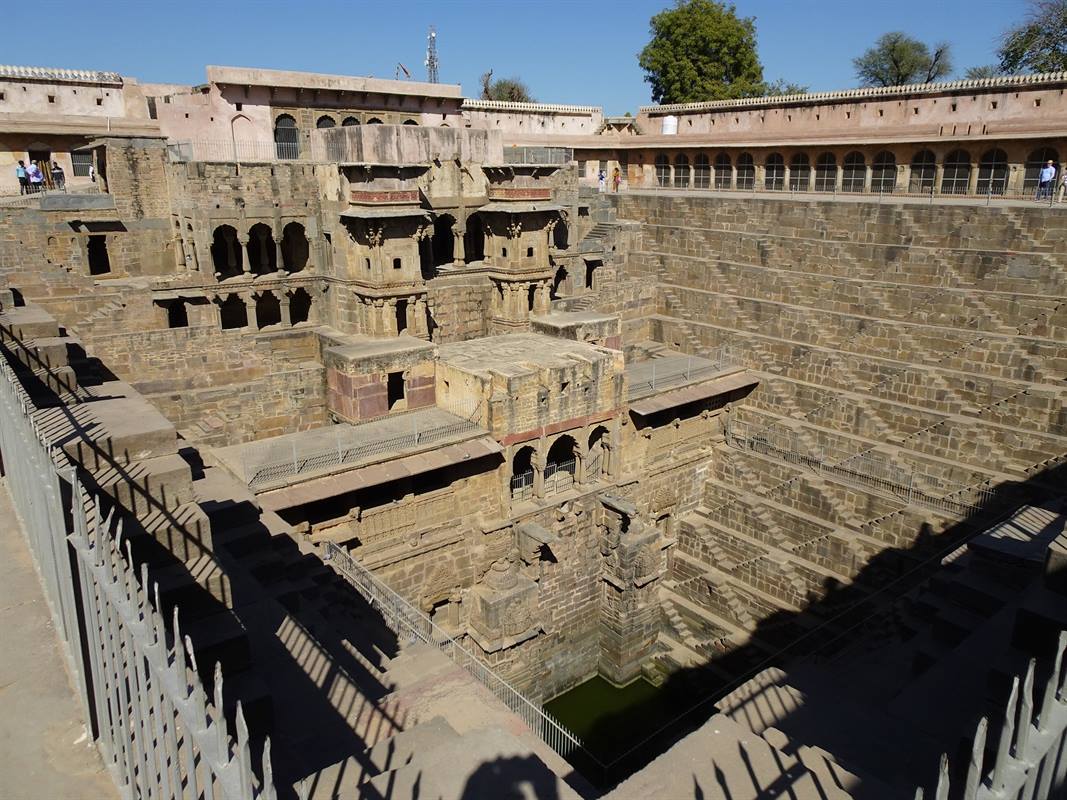
Chand Baori — 3,500 steps descending 13 storeys into the earth
Famous for Chand Baori, one of India's deepest and most visually mesmerising stepwells, Abhaneri is a small village between Jaipur and Agra that packs an outsized punch. The stepwell descends 13 storeys (about 30 metres deep) with 3,500 perfectly symmetrical steps creating a geometric pattern that looks almost impossible — it's a masterpiece of ancient water engineering built in the 8th century.
Right next to the stepwell sits the Harshat Mata Temple, dedicated to the goddess of joy, with beautifully carved sculptures. The entire site takes about an hour to explore, making it an easy add-on to any Jaipur–Agra trip.
Best for: Architecture lovers, Instagrammers, and anyone on the Jaipur–Agra route looking for a jaw-dropping detour.
10. Alwar & Bhangarh — Palaces, Tigers, and Ghost Stories
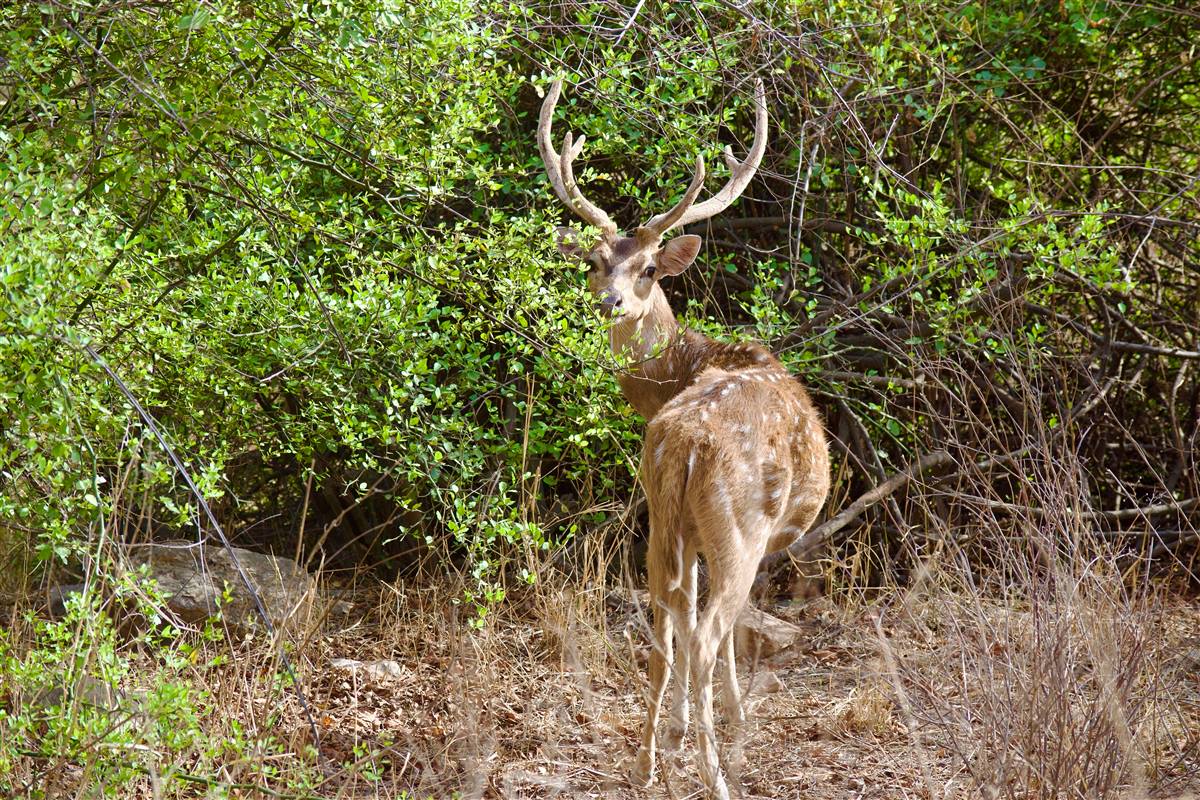
Sariska Tiger Reserve — a quieter alternative to Ranthambore
Alwar is one of Rajasthan's most underrated cities, with beautiful lakes, ornate palaces, and the lesser-known Sariska Tiger Reserve — which offers tiger sightings with significantly fewer jeeps jostling for position than Ranthambore. The Alwar City Palace and the serene Siliserh Lake Palace are among the state's best-kept architectural secrets.
Nearby Bhangarh is famous as India's “most haunted” place — the Archaeological Survey of India actually prohibits entry after sunset. Ghost stories aside, the 17th-century fort ruins are genuinely atmospheric and make for a fascinating half-day excursion set against the Aravalli Hills.
Best for: Tiger safari enthusiasts, history buffs, and thrill-seekers who enjoy a good ghost story.
11. Osian — The Quieter Desert
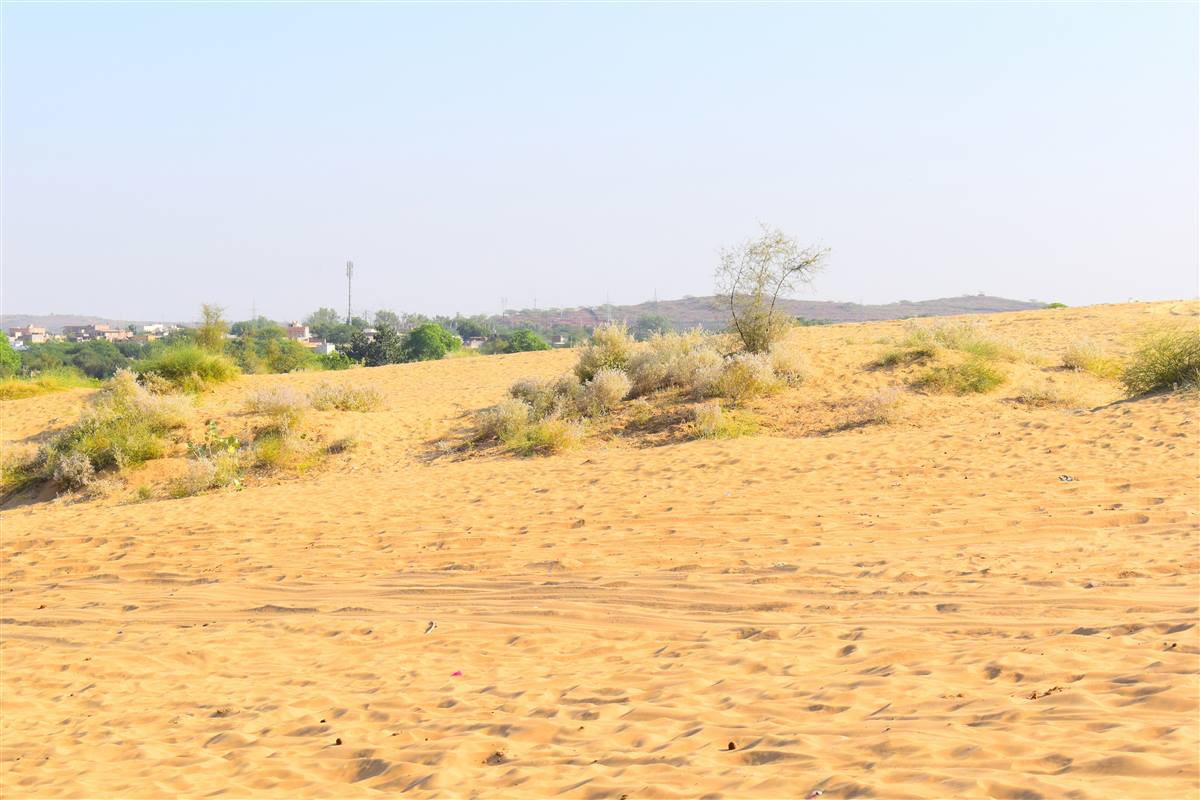
Osian — ancient temples meet golden sand dunes
Just 65 kilometres outside Jodhpur, Osian features ancient Jain and Hindu temples dating back to the 8th century alongside rolling sand dunes — offering a quieter alternative to Jaisalmer for desert camping and camel safaris. The town was once a thriving Silk Road trading post, and its temple architecture reflects influences from across Central Asia.
The Sachiya Mata Temple and the Mahavira Temple are particularly impressive, with intricate carvings that rival those at better-known sites. In the evening, head to the dunes for sunset camel rides and overnight camping under a sky blazing with stars.
Best for: Desert lovers on a tighter schedule, temple architecture fans, and anyone who wants sand dunes without the Jaisalmer price tag.
12. Chittorgarh — Beyond the Main Fort
Most visitors to Chittorgarh see the famous fort and leave. But linger a little longer and you'll discover a quieter, more contemplative side to this legendarily brave city. Explore the serene Ratan Singh Palace by the lake — a rarely visited gem where you can sit in near-total silence while water birds call across the water.
The secluded Kalika Mata Temple, originally a Sun Temple from the 8th century, offers a peaceful spiritual experience far from the tour groups at the main fort. The town's narrow lanes, local bazaars, and dal baati churma joints are worth exploring too.
Best for: Slow travelers, Rajput history enthusiasts, and those who want to go deeper than the standard fort visit.
13. Shri Mahaveerji — Sacred Serenity
A holy site for Jains nestled on the banks of the Gambhir River in Sawai Madhopur district, Shri Mahaveerji is both peaceful and architecturally impressive. The main temple — believed to house an ancient idol of Lord Mahavir — draws pilgrims but far fewer mainstream tourists, making it a genuinely tranquil spiritual experience.
The annual Shri Mahaveerji Fair in March–April brings thousands of devotثمents, colourful processions, and a vibrant atmosphere. Even outside festival time, the temple complex and its riverside setting are a soothing counterpoint to Rajasthan's more frenetic destinations.
Best for: Spiritual travelers, Jain pilgrims, and anyone seeking calm and architectural beauty off the tourist map.
Planning Your Offbeat Rajasthan Trip
The beauty of these hidden gems is that most of them can be combined with the more popular destinations. Bundi is an easy detour from Kota or Chittorgarh. Jawai sits perfectly between Jodhpur and Udaipur. Abhaneri is right on the Jaipur–Agra highway. And Shekhawati is just a few hours from Jaipur.
The best time to visit most of these places is October through March, when temperatures are pleasant. Banswara and the southern districts are also stunning during the monsoon (July–September). A rented car with a driver (₹2,500–4,000/day) is the most comfortable way to hop between these spots.
Want help planning an offbeat Rajasthan itinerary? We specialise in custom trips that go beyond the tourist trail. Check our curated itineraries or get in touch — we'd love to help you discover the Rajasthan most visitors never see.